Categories
Gems of History

Philippines’ oldest book

The first books printed in the Philippines were Doctrina Christiana (Spanish and Tagalog versions) and Shi Lu (Apologia de la Verdadera Religion) printed by Keng Yong, a Chinese, in 1593. Yet, the first book or the oldest book that we have is much older, printed in 1492 abroad. Josefo Flavio’s La Guerra Judaica, is said […]

Categories
Gems of History

Taxpayers in the mid-1700s

In Fr. Joaquin Martinez de Zuñiga’s famous Status of the Philippines in 1800 (Filipiniana Book Guild, 1973; Spanish original published in 1803 as Historia de las Islas Filipinas, translated into English in 1814 under the title An Historical View of the Philippines), one can find four tables about the number of native and Chinese mestizos […]

Categories
Gems of History

The Chinese of Pangasinan

As far as relations with Chinese is concerned, Pangasinan certainly is one of the interesting provinces in the Philippines. As early as 1406, 1408, 1410, the chief of Pangasinan had already led a mission to pay tribute to China. Not only the name of Pangasinan (馮嘉施蘭, pronounced in Hokkien as pang ka sin nan), but […]

Categories
Gems of History

Tong through the centuries

It is well-known that the Chinese in the Philippines, especially the older generation, are easy victims of extortion by corrupt government officials. However, not many realize that this phenomenon is actually rooted from Spanish colonial rulers hundreds of years ago. Extortion of the Chinese is in fact a tradition started by the Spanish officials. The […]

Categories
Gems of History

Chino not always Chinese

Chino is the Spanish word for Chinese. But not always. At one point in the olden days, it referred to Asians and even Africans! Making use of lots of material from Archivo General de Indias, Seville, Edward R. Slack Jr., professor at Eastern Washington University, authored the article “Sinifying New Spain: Cathay’s Influence on Colonial […]

Categories
Origins

Liang 梁 in the Philippines

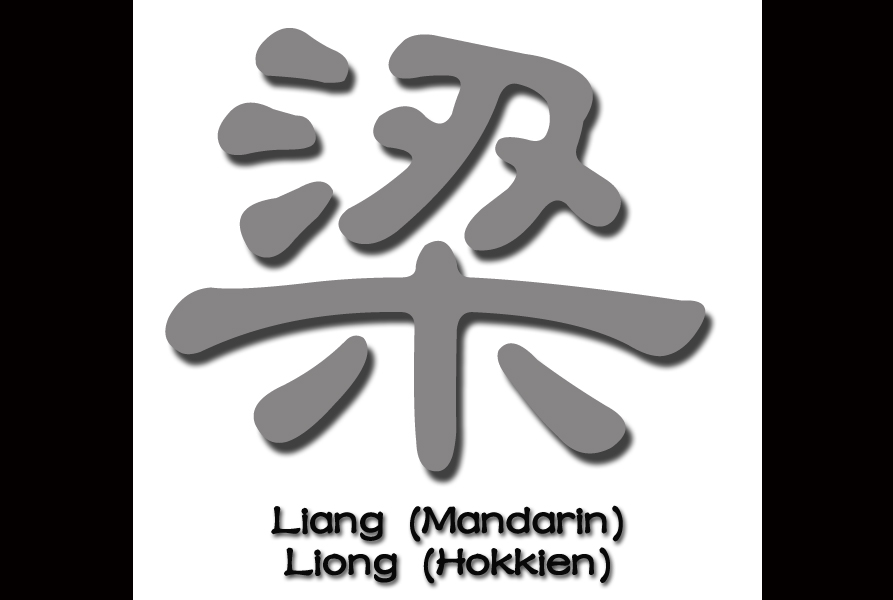
First published in Tulay, Fortnightly Chinese-Filipino Digest 25, no. 7 (September 11-24, 2012): 5. Surname 梁 (Liong in Hokkien, Liang in Mandarin) ranks as the 20th biggest surname in China, but only 31st among Chinese in the Philippines. The origin of the surname Liang is quite simple. It was said that an heir of the […]

Categories
Origins

Cu gets an ear

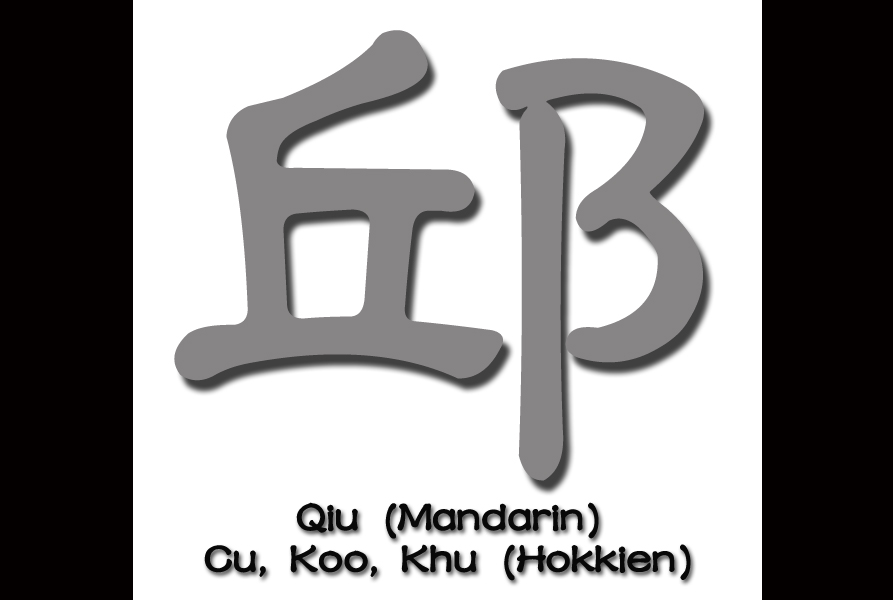
First published in Tulay, Fortnightly Chinese-Filipino Digest 25, no. 5 (August 14-27, 2012): 5-6. Surname 邱 (Cu, Koo or Khu in Hokkien, Qiu in Mandarin) ranks 30th among Chinese in the Philippines. In China, it ranks only 65th. 邱 was written as 丘 without the 阝 ear character on the right side. In fact, this […]

Categories
Gems of History

Chinese mestizo priests in 1782

First published in Tulay, Fortnightly Chinese-Filipino Digest 28, no. 13 (December 8-21, 2015): 5-6. In the course of researching an article of Salvador P. Escoto (1960-2007) on “Expulsion of the Chinese and Readmission to the Philippines: 1764-1779” in Philippine Studies 47.1 (1999), we found another article Escoto co-authored with John N. Schumacher in Philippine Studies […]

Categories
Origins

高 (Gao, Ko) in the Philippines

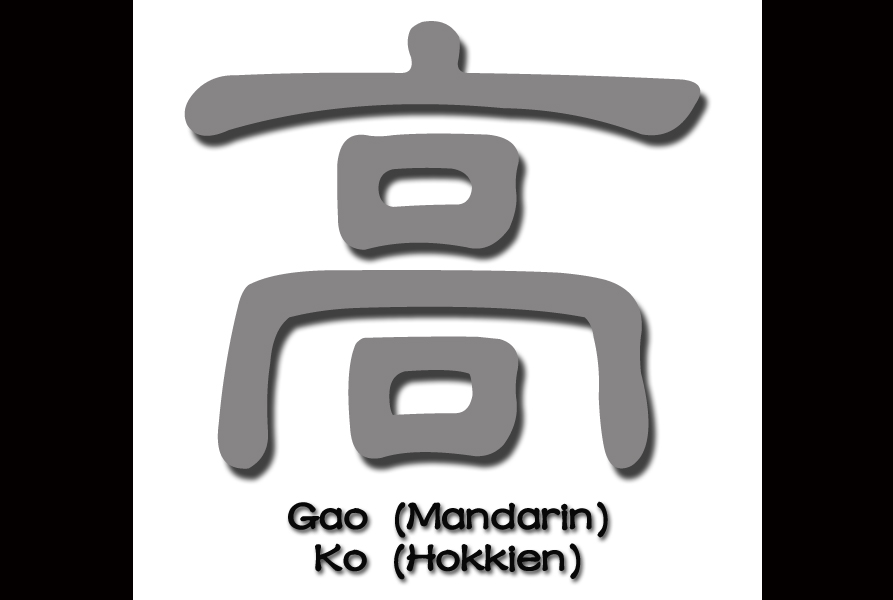
First published in Tulay, Fortnightly Chinese-Filipino Digest 24, nos. 15-16 (January 17-February 6, 2012): 5. The surname 高 (Ko in Hokkien, Gao in Mandarin) ranks 19th among Chinese surnames in China, and 24th among Chinese in the Philippines. Gao was first used as surname in China by Lü Fu (呂服), the son of the sixth […]

Categories
Origins

Sia, salamat!

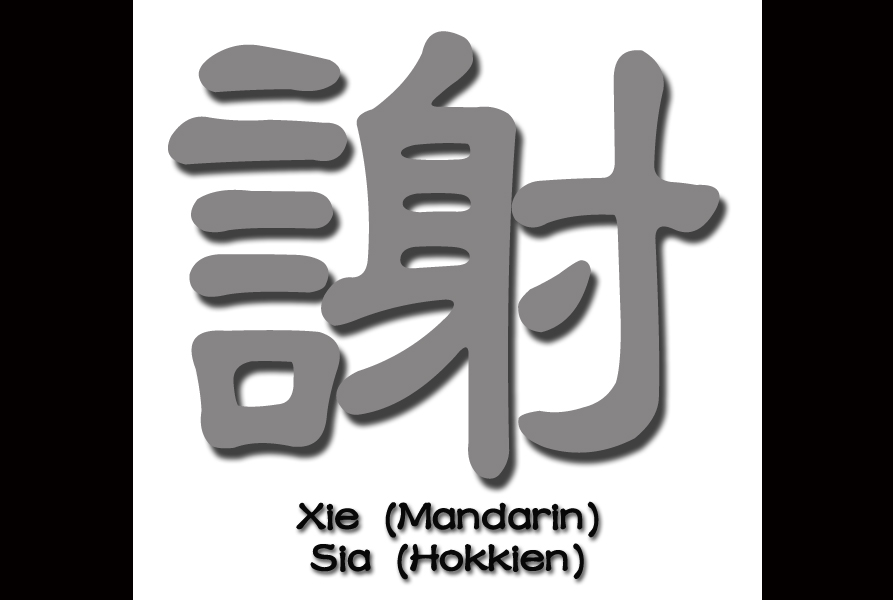
First published in Tulay, Fortnightly Chinese-Filipino Digest 24, no. 13 (December 6-19, 2011): 5. The Chinese surname 謝 (Xie in Mandarin, Sia in Hokkien), literally means thanks or salamat in Filipino. It ranks 23rd among Chinese surname in the Philippines, and 24th in China. It is said that 謝 was among the four big famous […]